|
Tu BiShvat / ט״ו בשבֿט
(February 1-2, 2026)
ט״ו בשבֿט, אָדער חמישה־עשׂר, אָדער דאָס נײַיאָר פֿון די ביימער, קומט אויס דעם 15טן טאָג אין חודש שבֿט, ווען מע באַזינגט די נאַטור און די באַנײַונג פֿון אַגריקולטור. ט״ו בשבֿט מערקט מען אָפּ סײַ דעם סוף פֿון דער לאַנגער רעגנצײַט פֿונעם ווינטער אין ישׂראל, ווען די ערשטע ביימער הייבן אָן קנאָספּן, סײַ די מענטשלעכע פֿאַרבינדונג מיט דער נאַטור. וואָס פֿאַר אַ טראַדיציעס פּראַוועט מען דעם טאָג?
מע פֿאַרפֿלאַנצט ביימער, איבער הויפּט אין ישׂראל.
מע עסט פֿרוכטן פֿון די זיבן מינים פֿאַרבונדן מיט ארץ־ישׂראל: ווייץ, גערשטן, טרויבן, פֿײַגן, מילגרוימען, מאַסלינעס און טייטלען. אין אַ סך קהילות עסט מען אויך באָקסער, ווײַל דער באָקסערבוים איז איינער פֿון די ביימער וואָס הייבן אָן צום פֿריסטן צו קנאָספּן (נאָך אַפֿילו פֿאַר ט״ו בשבֿט).
מע פּראַוועט אַ מין סדר וואָס שטאַמט פֿון אַ קאַבאַליסטישן מינהג: מע טרינקט אויס פֿיר כּוסות ווײַן און מע עסט די אויבן דערמאָנטע פֿרוכטן, בשעת מע קלערט אַרײַן אינעם סימבאָליזם פֿון די ביימער און דער וויכטיקייט פֿונעם נאַטור־אויפֿהיט. דערפֿאַר רופֿט מען עס אָפֿט מאָל דער „ייִדישער טאָג פֿון דער ערד“.
[TUBIShVÁT, ODER KhAMIShÓSER, ODER DOS NÁYYOR FUN DI BÉYMER, KUMT OYS DEM FÚFTSETN TOG IN KhÓYDESh ShVAT, VEN ME BAZÍNGT DI NATÚR UN DI BANÁYUNG FUN AGRIKULTÚR. TUBIShVÁT MERKT MEN OP SAY DEM SOF FUN DER LÁNGER RÉGNTSAYT FÚNEM VÍNTER IN YISRÓEL, VEN DI ÉRShTE BÉYMER HEYBN ON KNOSPN, SAY DI MÉNTShLEKhE FARBINDUNG MIT DER NATÚR. VI AZÓY PRÁVET MEN DEM TOG?
ME FARFLÁNTST BÉYMER, ÍBER HOYPT IN YISRÓEL.
ME EST FRUKhTN FUN DI ZIBN MÍNIM FARBÚNDN MIT ÉRETS-YISRÓEL: VEYTS, GERShTN, TROYBN, FAYGN, MÍLGROYMEN, MASLÍNES UN TÉYTLEN. IN A SAKh KEHÍLES EST MEN OYKh BÓKSER, VAYL DER BÓKSERBOYM IZ ÉYNER FUN DI BÉYMER VOS HEYBN ON TSUM FRISTN TSU KNOSPN (NOKh AFÍLE FAR TUBIShVÁT).
ME PRÁVET A MIN SÉYDER VOS ShTAMT FUN A KABALÍSTIShN MÍNEG: ME TRINKT OYS FIR KÓYSES VAYN UN ME EST DI OYBN DERMÓNTE FRUKhTN, BEShÁS ME KLERT ARÁYN ÍNEM SIMBOLÍZM FUN DI BÉYMER UN DER VÍKhTIKEYT FÚNEM NATÚR-ÚFHIT. DERFÁR RUFT MEN ES OFT MOL DER “YÍDIShER TOG FUN DER ERD".]
Tu BiShvat, or Khamishoser, or the New Year of the Trees, falls on the 15th day of the month of Shvat, when we celebrate nature and agricultural renewal. On Tu BiShvat we observe the end of the long rainy season of the winters in Israel, when the first trees start to bud, as well as the human connection with nature. How do we observe the day?
We plant trees, especially in Israel.
We eat fruits of the seven species connected to Israel: wheat, barley, grapes, figs, pomegranates, olives and dates. In many communities they also eat carob, because the carob tree is one of the earliest blooming trees (starting to bud even before Tu BiShvat).
We perform a kind of Seder which originates from a Kabbalistic tradition: We drink four cups of wine and eat the above fruits, while contemplating the symbolism of the trees and the importance of conserving nature. That’s why it’s often called the “Jewish Earth Day.”
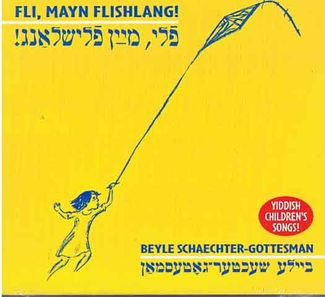
Click here to listen to a charming and lively song about
Tu BiShvat by Beyle Schaechter-Gottesman!
https://www.youtube.com/watch?v=UVUkvk3HKwQ
|