|
December 2025
Sholem-aleykhem! We’ve missed you here at the League for Yiddish! It’s been a while since we've heard from you, and we wanted to let you know how important your support in the past has been to our mission to keep Yiddish a living, dynamic language.
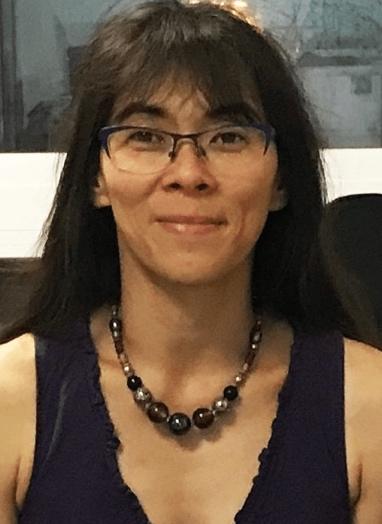
I am Miriam Trinh, and for the last five years I’ve had the great honor of contributing to the broader Yiddish velt as the editor-in-chief of Afn Shvel. This enormous responsibility has enabled me to combine all the aspects which are important to me as an individual, a mentsh, and as part of the keyt, the golden chain of Yiddish: to preserve its heritage, spread knowledge about it, teach it actively not only in a classroom setting, and inspire its usage, as well as new creativity in the language!
Growing up in Krakow and Hamburg – bilingually in Polish and German, and later on also learning Hebrew – I was exposed to, and immersed in, the 3 language families that make up Yiddish. But I didn’t grow up with Yiddish, nor was I even close to any Yiddish-speaking circles. As an adolescent, Hebrew became the pillar of my Jewish identity. No Yiddish on the horizon at all – af tselokhes my Eastern-European roots!
It was only after making aliyah that I rather accidentally discovered the possibility of studying Yiddish language and literature at the Hebrew University. Back then, there was still a thriving department of Yiddish Studies and – once I started, I was farkhapt un farkisheft, captivated and enchanted by the richness of the Yiddish culture and especially by modern Yiddish poetry. And – vos zol ikh aykh zogn? I was hooked! Since my first contact with this amazing literature and the intriguing depths of Yiddish language and its idiomatic colorfulness, I understood that I wanted to continue, thereby also returning to my own lost family roots.
Bekitser: That’s exactly what happened. I earned three academic degrees in the field of Yiddish, got involved in teaching it, raised four children in Yiddish and Hebrew – which should always go hand-in-hand! – and started to translate and create in Yiddish. All these I consider necessary for a living continuation of our mame-loshn culture. I am deeply convinced that this is the best kind of Yiddishist activism.
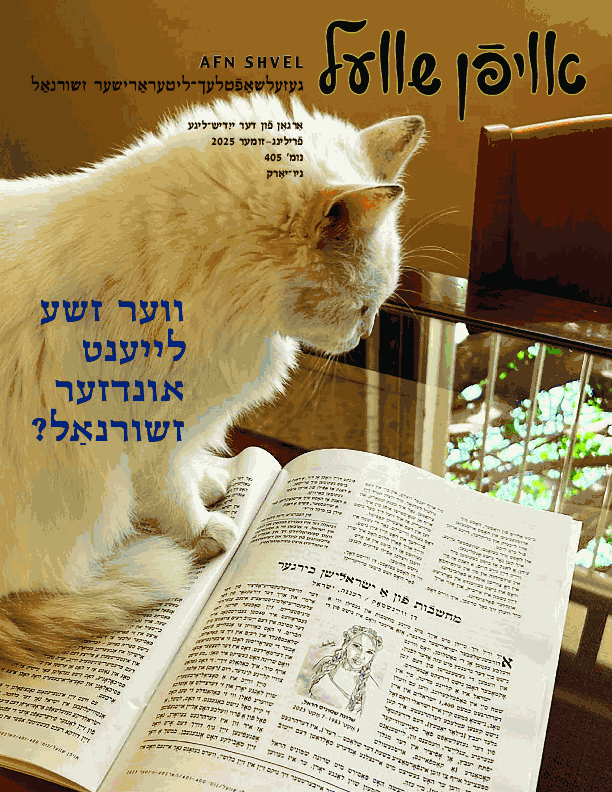
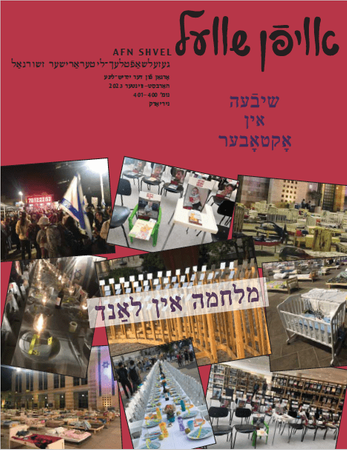
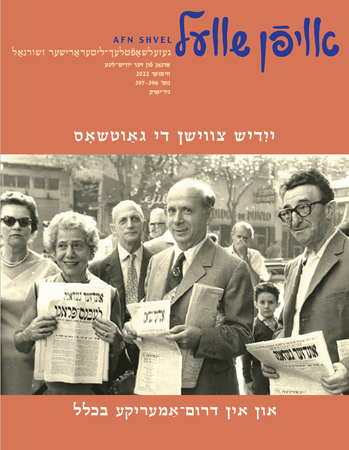
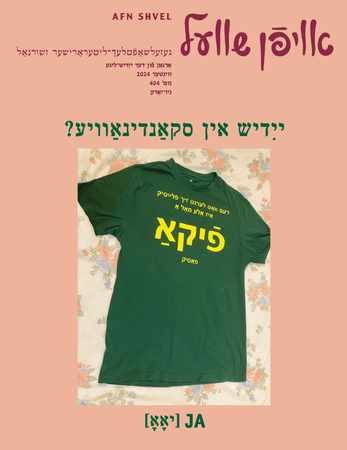
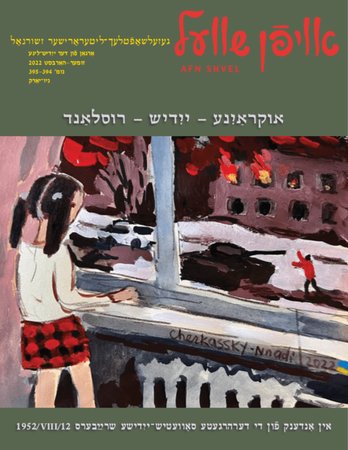
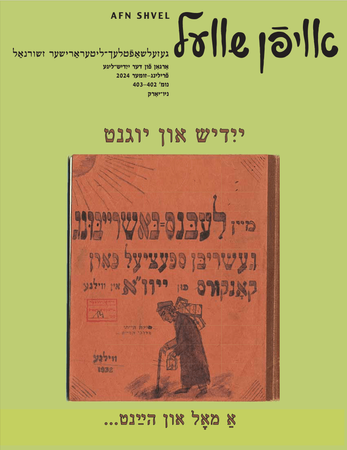
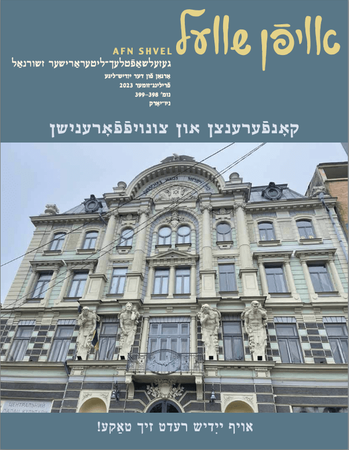
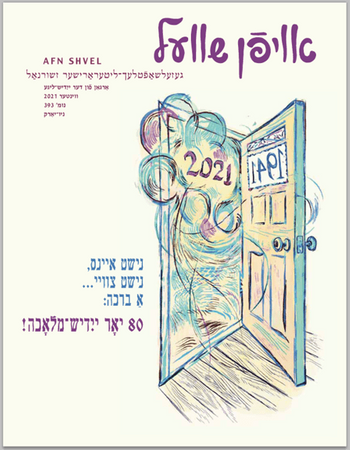
Over the past five years, Afn Shvel has covered such varied topics as the COVID pandemic; Yiddish in South America and Sweden; the impact on individual lives of the wars in Ukraine and Israel; Yiddish experiences among the young; cover art of Yiddish books; and an issue written by our own readers.
Being the editor of a Yiddish magazine is both challenging and very rewarding. In 2026 we will be celebrating our 85th year of publication, making us the oldest Yiddish print publication in the world! My goal is to continue providing our worldwide readership with a forum to publish established Yiddish writers, as well as provide a unique platform for new ones.
Afn Shvel means “on the threshold.” As such, we invite you to take one more step – please join us in celebrating our 85-simkhe (biz 120)! Yet for these further steps beyond, and toward, more Yiddish and more Yiddish enthusiasts, we need you.
So shemt zikh nisht! Please continue to contribute and to support us. Renew your membership and become an active part of the Yiddish future!
https://www.leagueforyiddish.org/mitglidershaft.html
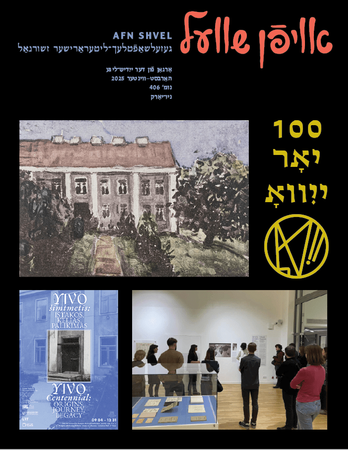
When you do, you will receive our newest issue, coming out this month, dedicated to the Centennial Celebration of the YIVO – khay gelebt un abi gezunt! Meanwhile, I am attaching a complimentary pdf of our last issue – written entirely by our readers – so you can enjoy our work.
With gratitude for your past support and best wishes for the future – a freylekhn khanike!
Miriam Trinh
Editor-in-Chief, Afn Shvel
|